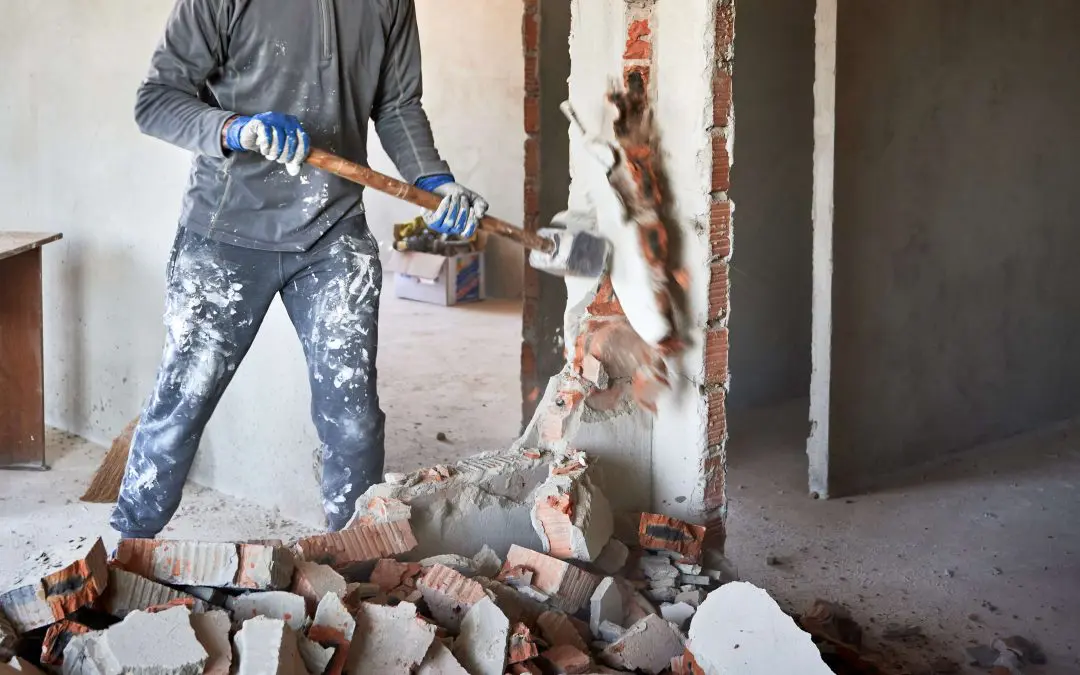
Taking on a DIY demolition project may be exciting and empowering, but it requires thorough preparation, meticulous planning, and a clear understanding of potential risks. Homeowners often consider DIY demolition to save money, have control over the project, or experience the satisfaction of tearing down and starting fresh. While it may seem as simple as swinging a hammer, effective demolition involves more than brute force. Knowing what to expect, preparing your space, and using the right tools are critical steps for a safe and successful project.
Planning for Successful DIY Demolition
Before you pick up any tools, start by assessing what needs to be removed and identifying the materials involved. Understanding the structure you’re demolishing helps you anticipate challenges, such as load-bearing walls, electrical wiring, plumbing, and hidden hazards. Consulting building plans or online resources will help guarantee you don’t accidentally compromise your home’s structural integrity. A detailed plan will also help you manage waste removal. Debris from demolition quickly piles up, and having a strategy for disposal or recycling saves both time and stress. Consider renting a dumpster or scheduling a bulk pickup service to keep your workspace clear and safe.
Tools and Safety Gear for DIY Demolition
Equipping yourself with the right tools and protective gear is essential for any DIY demolition work. Depending on the scope of your project, common tools may include sledgehammers, crowbars, reciprocating saws, and drills. Check that each tool is in good working condition and appropriate for the materials you’ll be dismantling. Safety gear is equally important. Sturdy gloves, safety goggles, dust masks, and steel-toed boots protect against flying debris and accidental impacts. Hearing protection may be necessary when using loud power tools.
Understanding and Managing Risks
One of the most crucial aspects of demolition is understanding and mitigating risks. Walls may hide electrical wiring or plumbing that could be damaged during removal. Always turn off utilities before beginning demolition in areas where wires or pipes are present. Checking for asbestos, mold, or lead-based paint is also important in older homes, as disturbing these materials pose serious health risks. Another safety consideration is structural stability. Removing a wall or other major component could compromise your home’s integrity. Identifying load-bearing walls and consulting a professional if needed ensures that your project doesn’t create bigger problems down the line.
Efficient Techniques for DIY Demolition
Efficiency stems from combining effective planning, skilled technique, and the right tools. Start with a small section to test your approach before tackling the larger area. Work systematically from top to bottom or inside out, and remove materials in manageable sections to avoid overexertion or injury. For walls, removing drywall first before addressing studs or framing makes cleanup easier. Flooring removal often requires prying up boards carefully to preserve materials if you plan to reuse them. Patience and methodical work will save time, minimize frustration, and ultimately make the project more satisfying.
Cleaning Up After Demolition
Once the walls, floors, or fixtures have been removed, cleanup becomes a significant part of the DIY demolition process. Proper disposal of debris and recycling of salvageable materials helps keep the site safe and environmentally responsible. Regularly sweeping and vacuuming to remove dust reduces airborne particles and helps maintain good indoor air quality. Planning cleanup in advance guarantees the demolition area remains organized and prevents lingering hazards that could cause injury after the project is complete.
Knowing When to Call in Professionals
While many DIY demolition tasks are manageable for homeowners, some situations require professional expertise. Removing load-bearing walls, handling hazardous materials, or working with complex electrical or plumbing systems is often best left to licensed professionals. Knowing your limits guarantees the project remains safe, legal, and successful. There’s no shame in combining DIY enthusiasm with professional guidance to achieve the best results.
Frequently Asked Questions (FAQs)
Is demolition safe for beginners?
DIY demolition can be safe if proper planning, safety gear, and techniques are used. Starting with small, non-structural projects is recommended for beginners.
Do I need a permit for demolition?
Many municipalities require permits for demolition work, especially when removing walls or structural components. Check local building codes before starting your project.
What tools are essential for a DIY demolition project?
Common tools include sledgehammers, crowbars, reciprocating saws, drills, and screwdrivers. Safety gear, such as gloves, goggles, dust masks, and steel-toed boots, is equally important.
How do I dispose of demolition debris?
Renting a dumpster, scheduling bulk trash pickup, or recycling salvageable materials are effective ways to manage debris.
Can I remove load-bearing walls myself?
Removing load-bearing walls is risky and usually requires professional input. Consult a structural engineer or licensed contractor to ensure safety.
Realistic Home Inspection Services offers inspections in the greater Milwaukee area. Contact us to schedule an appointment for our services.